
Social Media for Real Estate: The 2026 Marketing Guide
44% of homebuyers start their property search online, and a growing number of them find their agent through social media. According to the National Association of Realtors, social media is the #2 lead generation tool for real estate agents, right behind referrals.
If you're a realtor or real estate agency still treating social media as an afterthought, you're leaving deals on the table.
This guide covers the social media for real estate strategy that works in 2026. Which platforms deserve your time, what to post, how often, and the tools that make it manageable without hiring a full-time marketer.
Why Social Media Matters for Real Estate in 2026
Social media is where your next client is already spending their time. The average US adult spends over 2 hours per day on social platforms. For real estate agents, this isn't about chasing trends. It's about being visible where buyers and sellers are already looking.
Here's what the numbers show.
Lead generation is real. NAR's 2025 member survey found that 46% of realtors who use social media consistently reported getting at least one deal directly from a social media lead in the past year. That's not vanity metrics. That's closed transactions.
Local trust is built online. Before a potential client ever calls you, they've already checked your social profiles. A strong Instagram presence with recent listings, market updates, and client testimonials builds the kind of trust that cold calls never will.
The competition is investing. According to a 2025 RealTrends report, top-performing agents spend an average of $1,200/month on social media marketing. You don't need to match that budget, but you do need a presence. Agents with zero social media activity are becoming invisible to younger buyers.
Video is dominating real estate discovery. Property tours on Instagram Reels, TikTok, and YouTube Shorts are generating millions of views. The agents who embrace short-form video are getting disproportionate attention compared to those who stick with static listing photos.
Which Platforms Work Best for Real Estate
Not every platform deserves your time. Here's where social media marketing for realtors gets the best return, ranked by impact.
Instagram is the #1 platform for real estate agents. It's visual, it's local, and the algorithm rewards Reels and Stories that keep people engaged. Our Instagram post scheduler comparison covers the tools that handle Reels auto-publishing and Story scheduling for agents.
What works on Instagram for real estate:
- Property tour Reels (30-60 seconds, trending audio, text overlays with price/features)
- Before/after staging photos as carousel posts
- Neighborhood spotlights featuring local businesses, parks, schools
- Stories with polls and Q&A ("Would you choose this kitchen or this one?")
- Client testimonial videos (even 15-second selfie clips)
Instagram's search function is increasingly location-aware. Using location tags, local hashtags, and neighborhood names in your captions helps buyers in your market find you organically.
Facebook isn't exciting, but it's still one of the most effective platforms for real estate. The audience skews slightly older (35-65), which overlaps perfectly with active homebuyers and sellers.
Where Facebook shines:
- Facebook Groups for local communities. Join and contribute to neighborhood groups. Don't spam listings. Share local news, answer housing questions, and position yourself as the area expert.
- Facebook Marketplace for listing visibility. Some agents report significant inquiry volume from Marketplace listings.
- Targeted Facebook Ads for seller leads. Facebook's targeting lets you reach homeowners in specific zip codes based on life events (new job, growing family, retirement).
- Live video for open houses and Q&A sessions.
YouTube
YouTube is a long game, but the payoff is significant. Real estate YouTube videos rank in Google search results, which means your property tours and market update videos can drive traffic for months or years after you post them.
Best video types for real estate on YouTube:
- Neighborhood guides ("Living in [Neighborhood Name]: What You Need to Know")
- Market update videos (monthly local stats, presented simply)
- Full property tours (3-7 minutes, with voiceover and text)
- First-time homebuyer education (builds trust with future clients)
You don't need fancy equipment. A smartphone with good lighting and a lapel mic produces professional-enough video for real estate content.
TikTok
TikTok isn't just for Gen Z anymore. The platform's user base now includes a significant number of millennials (the largest homebuying demographic). Real estate TikTok has become its own category, with agents building massive followings through quick property tours and market tips.
What performs on TikTok:
- "Wait until you see the backyard" reveals (property surprise format)
- "What $500K buys you in [City]" comparison videos
- Quick market tips ("3 things to check before making an offer")
- Day-in-the-life content showing what being a realtor looks like
The algorithm doesn't care how many followers you have. A single video can reach hundreds of thousands of people if it hooks viewers in the first 2 seconds.
Google Business Profile
This one gets overlooked, and that's a mistake. Google Business Profile (GBP) is critical for local real estate visibility. When someone searches "realtor near me" or "real estate agent [city name]," your GBP listing is what shows up.
What to do with your Google Business Profile:
- Post weekly updates with market stats, new listings, or tips
- Collect and respond to reviews from past clients
- Add photos of yourself, your office, and recent closings
- Keep your info current: phone, website, service areas, hours
GBP posts work like mini social media updates that appear directly in Google search and Maps. Most agents ignore this entirely, which makes it a low-competition opportunity.
LinkedIn matters most if you work in commercial real estate or target investors and business owners. For residential agents, it's lower priority but still worth maintaining a professional presence. Our LinkedIn post scheduler guide covers the tools and best posting times for consistent LinkedIn publishing.
Best use of LinkedIn for real estate:
- Market analysis posts with data and charts
- Industry opinion pieces on housing trends
- Networking with mortgage brokers, title companies, and other professionals
- Sharing closed deal announcements (with client permission)
Real Estate Social Media Content Strategy
Knowing which platforms to use is step one. What you post determines whether you build an audience or get ignored.
The Content Mix That Works
A balanced real estate social media strategy follows a simple ratio.
40% value content. Market updates, neighborhood guides, homebuyer tips, local event roundups. This is the content that earns follows and builds trust.
30% listings and property content. Tour videos, new listing announcements, price drops, open house promotions. This is your bread and butter, but it can't be everything you post.
20% personal and behind-the-scenes. Show the real side of being an agent. A closing day celebration. A funny showing moment (with client permission). Your actual commute through the neighborhoods you serve. People hire agents they feel connected to.
10% direct calls to action. "Thinking about selling? Here's what your home might be worth." "DM me for a free market analysis." These work when you've earned attention with the other 90%.
Content Ideas by Type
Listings
Don't just post the MLS photo and price. Add context.
- "This home is 3 blocks from the new light rail station opening in 2027"
- "The seller renovated this kitchen last year. Here's what they spent vs. what it added in value"
- Video walkthroughs with your commentary on what makes the property special
Neighborhood Guides
This is the most underused content type in real estate social media, and it's one of the most effective.
Pick a neighborhood in your market. Cover the schools, the restaurants, the commute times, the vibe. Post it as a carousel on Instagram, a video on YouTube, and a long post on Facebook.
People searching for "best neighborhoods in [city]" are your future clients.
Market Updates
Share local market data monthly. Keep it simple: median price, days on market, inventory levels. Compare to last month and last year.
Present the data with a one-sentence takeaway: "Inventory is up 12% from last month. If you've been waiting to buy, you have more options now than any time in the past year."
Client Testimonials
Video testimonials outperform written ones by a wide margin. Ask happy clients for a 30-second selfie video answering one question: "What was the best part of working with [your name]?"
Post these on Instagram Reels, TikTok, and Facebook. They're social proof that converts.
Behind-the-Scenes
Show the parts of your job that people don't see. A pre-listing walkthrough. Setting up for an open house at 6 AM. The moment your buyer's offer gets accepted. This type of content humanizes you and makes potential clients feel like they already know you.
Posting Frequency for Real Estate Agents
Consistency beats volume. Here's a realistic posting schedule for a solo agent managing their own social media.
| Platform | Posts Per Week | Content Type | Time Per Week |
|---|---|---|---|
| 3-4 feed + daily Stories | Reels, carousels, Stories | 3-4 hours | |
| 3-5 posts | Groups, listings, tips | 2-3 hours | |
| YouTube | 1-2 videos | Tours, guides, updates | 3-4 hours |
| TikTok | 3-5 videos | Short tours, tips, trends | 2-3 hours |
| Google Business | 1-2 posts | Updates, reviews | 30 min |
| 1-2 posts | Market analysis, networking | 1 hour |
Total: roughly 12-15 hours per week if you're doing everything.
That's not sustainable for most agents. The smarter approach: pick 2-3 platforms and do them well. For most residential agents, Instagram + Facebook + Google Business Profile is the highest-impact combination.
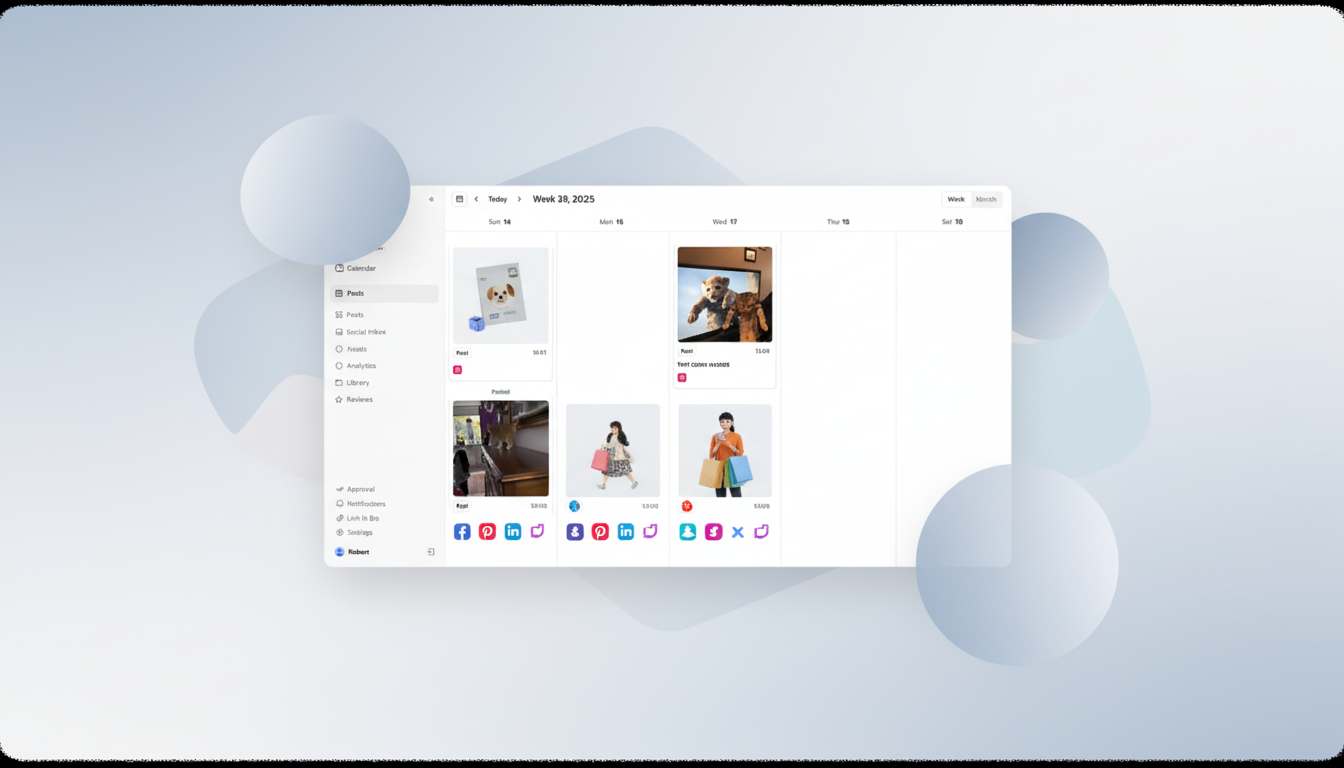
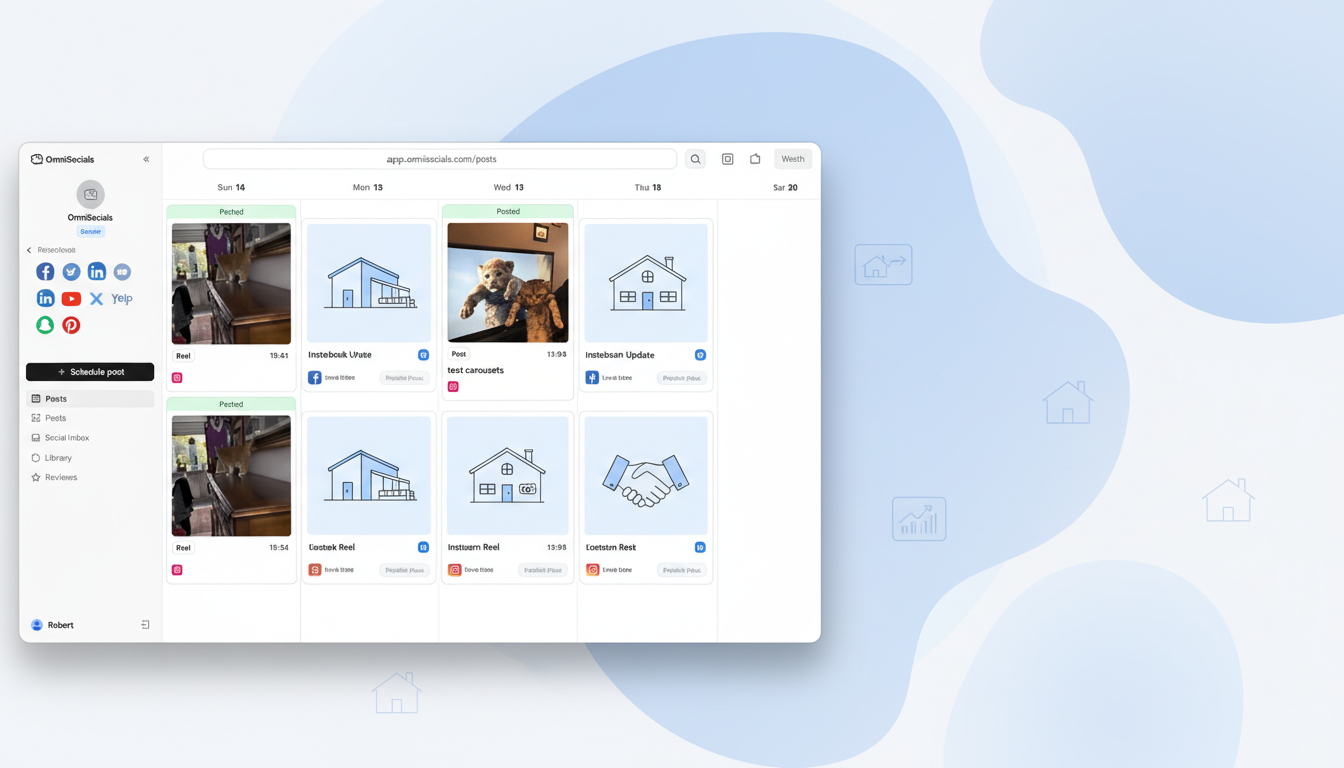
Use a social media content calendar to batch your content creation. Spending one afternoon per week creating and scheduling a week's worth of posts is far more efficient than posting in real time every day.
Tools That Help Real Estate Agents Manage Social Media
Managing multiple platforms manually eats into time you should be spending with clients. Here are the tools that make social media marketing for realtors more manageable.
Scheduling Tools
Scheduling posts in advance is the single biggest time-saver for agents on social media. Instead of logging into each platform daily, batch your content and schedule it ahead of time.
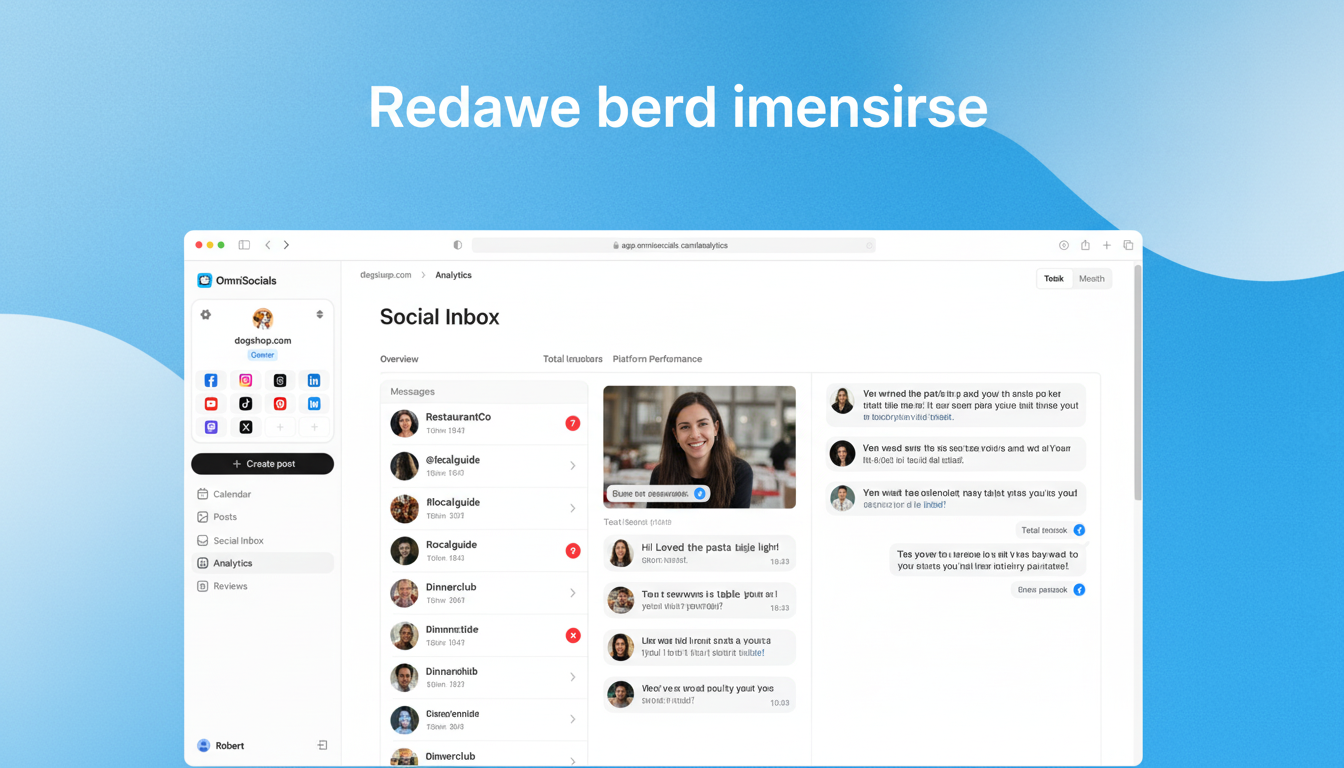
- OmniSocials ($10/mo) supports 11 platforms including Google Business Profile, which most scheduling tools skip. For real estate agents who need to post across Instagram, Facebook, and GBP from one dashboard, it's the most cost-effective option. The visual editor and built-in media library save time on content creation too.
- Buffer ($6/channel/mo) is a solid option if you only manage 2-3 platforms and want a simple interface.
- Hootsuite ($99/mo+) has strong analytics but the price is hard to justify for solo agents.
- Later ($25-80/mo) focuses heavily on Instagram and is popular with visually-oriented agents.
For a full comparison, check our guide to the best social media scheduler for small business.
Content Creation Tools
- Canva (free/paid) for listing graphics, market update templates, and social media graphics
- CapCut (free) for editing property tour videos and adding text overlays
- ChatGPT for brainstorming caption ideas and drafting market update posts (always edit for your voice)
Analytics
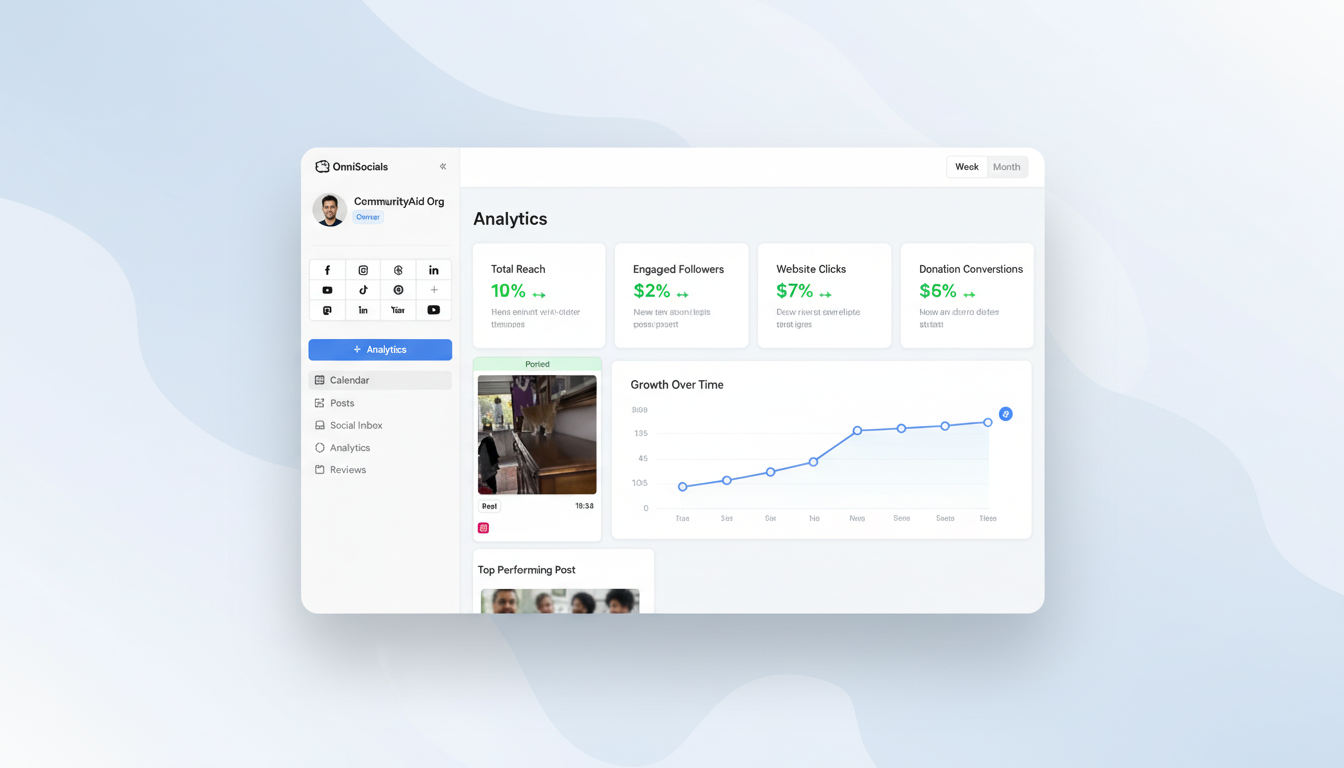
Track what's working. Most platforms have built-in analytics, but a unified dashboard saves time when you're posting across 3+ platforms. Check your top-performing content weekly and do more of what works.
Common Mistakes Real Estate Agents Make on Social Media
I've reviewed hundreds of realtor social media profiles. These mistakes show up repeatedly.
Posting only listings. If your feed is nothing but MLS screenshots with prices, you're a catalog, not a brand. Mix in value content, personal posts, and community content. Listings should be 30% of your content at most.
Ignoring video. Static photos get a fraction of the reach that Reels, Shorts, and TikTok videos get. You don't need to be a professional videographer. Grab your phone, shoot a 30-second walkthrough, add some text, and post it. Done is better than perfect.
Buying followers. Fake followers don't buy houses. They tank your engagement rate, which makes the algorithm show your content to fewer real people. Build your audience authentically, even if it's slower.
Being inconsistent. Posting 10 times in one week, then going silent for a month is worse than posting 3 times a week consistently. The algorithm rewards regular activity. Your audience remembers agents who show up reliably.
Not responding to comments and DMs. Social media is a conversation. When someone comments on your listing post asking about the neighborhood, reply within a few hours. Every comment is a potential lead. Ignoring them signals that you'll be hard to reach as a client's agent too.
Skipping Google Business Profile. This is the easiest win in real estate marketing. It's free, it directly affects your Google search visibility, and most of your competitors aren't using it well. Post weekly, respond to reviews, keep your info updated.
Using the same content everywhere. A LinkedIn post about commercial market trends doesn't belong on TikTok. A viral TikTok dance doesn't belong on LinkedIn. Repurpose the core idea, but adapt the format and tone for each platform.
Ready to simplify your real estate social media? Try OmniSocials free for 14 days and schedule posts across Instagram, Facebook, Google Business Profile, and 8 other platforms from one dashboard.
Frequently Asked Questions
What is the best social media platform for real estate agents?
Instagram and Facebook are the two highest-performing platforms for most real estate agents. Instagram drives discovery through visual content like property photos and Reels. Facebook is strongest for local community engagement and targeted ads. Google Business Profile is also critical for local search visibility, even though it's often overlooked as a social channel.
How often should realtors post on social media?
Most successful real estate agents post 4-5 times per week across their primary platforms. On Instagram, aim for 3-4 feed posts plus daily Stories. On Facebook, 3-5 posts per week performs well. For YouTube and TikTok, 1-2 videos per week is enough to build momentum. Consistency matters more than volume.
How do real estate agents get leads from social media?
Real estate agents generate leads from social media by combining organic content (market updates, neighborhood guides, property tours) with targeted Facebook and Instagram ads. The key is providing local value first and building trust before asking for business. Agents who post consistently and engage with local community groups report the highest lead quality from social media.